Helpful Tips to Apex Deck Builders Austin
Eco-Friendly Decking Solutions: Environmentally Conscious Materials for Your Upcoming Project
Sustainable decking alternatives are becoming increasingly sought after among homeowners looking for green alternatives. These options, which include reclaimed wood, bamboo, and composite materials, deliver both resilience and attractive design. Recognizing their effect on the environment is a key consideration. Factors such as sourcing practices and long-term cost-effectiveness play a significant role in decision-making. While homeowners investigate these alternatives, they often wonder which solution most closely matches their priorities and requirements. The conclusions reached might completely redefine their outdoor environments.
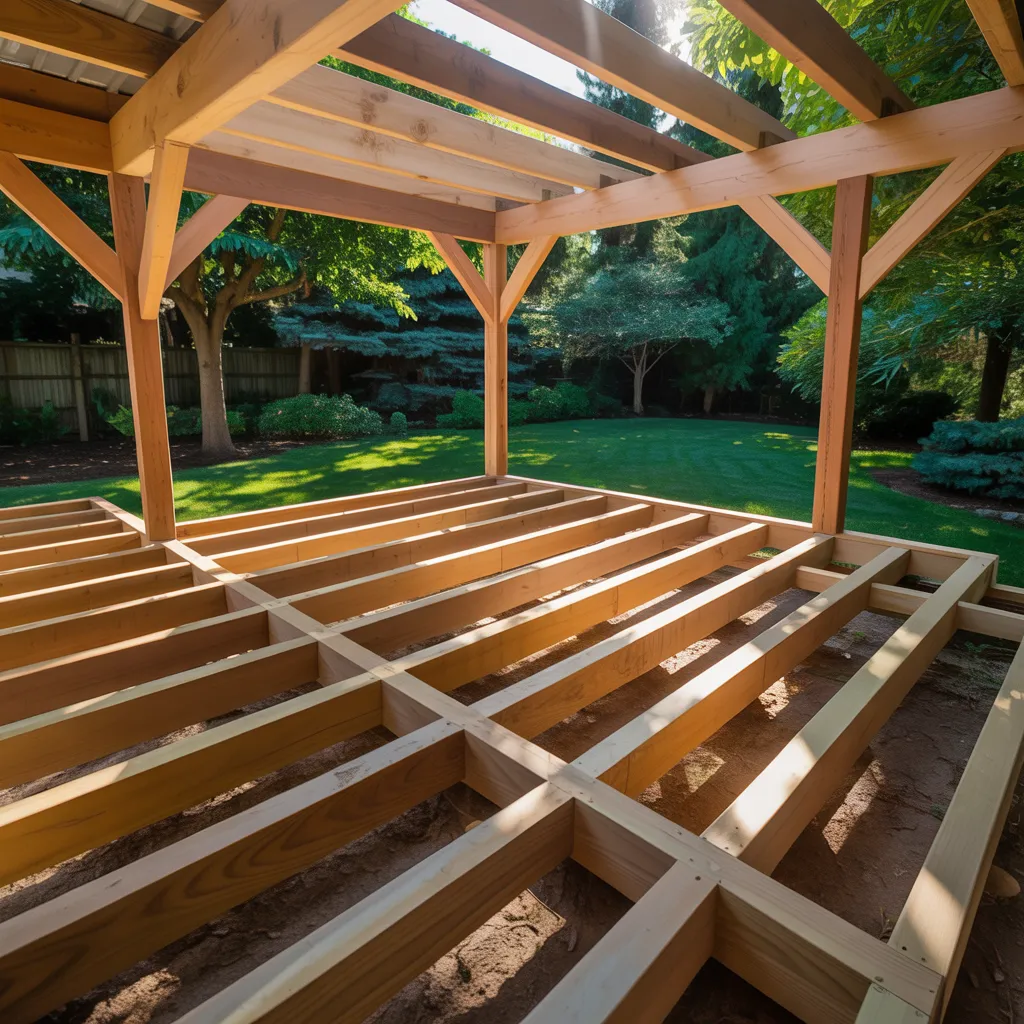
Everything You Should Know About Eco-Friendly Decking Materials
What should homeowners keep in mind when choosing environmentally friendly decking materials? First and foremost, sustainability is a critical factor; materials obtained from renewable sources, like bamboo or reclaimed wood, significantly lessen environmental harm. Additionally, durability is an essential consideration; long-lasting materials minimize the need for replacements, thereby conserving resources over time. Additionally, homeowners should evaluate the life cycle of the material, including production, transportation, and disposal processes, which can influence overall eco-friendliness. The risk of chemical emissions, including volatile organic compounds (VOCs), is also worth noting, as materials with minimal emissions help promote healthier indoor air quality. Beyond that, the visual attractiveness and maintenance needs of the material should be considered, as they can impact overall satisfaction with the decking over time. Lastly, cost-efficiency is a key factor; although sustainable options might carry greater initial expenses, their durability and lower maintenance demands can result in long-term financial benefits.
Reclaimed Wood vs. Composite Decking: A Comprehensive Comparison
The comparison between reclaimed wood and composite decking raises important considerations regarding environmental impact, durability, and cost. Each material presents unique benefits and drawbacks that can influence consumer choices. Examining these aspects is vital for arriving at a knowledgeable decision when selecting environmentally conscious decking materials.
Ecological Impact Evaluation
Even though reclaimed wood and composite decking both present notable benefits, their environmental impacts are considerably different. Reclaimed wood is obtained from old structures, minimizing the need for new timber harvesting and decreasing deforestation. Its use helps preserve natural resources and promotes recycling. However, its availability can be limited and may involve transportation emissions.
In contrast, composite decking is made from a combination of recycled plastics and wood fibers. Although it diverts waste from landfills, the manufacturing process may be energy-intensive and might include harmful chemicals. Moreover, composite materials often have a extended service life, causing less frequent replacements. Ultimately, the selection between reclaimed wood and composite decking copyrights on weighing sustainability against practicality, considering factors such as resource sourcing and ecological impact.
Resilience And Long-Term Performance
When evaluating long-term performance and durability, these two decking materials come with their own strengths and limitations. Reclaimed wood, commonly obtained from old barns and demolished buildings, offers a unique aesthetic and structural integrity. Nevertheless, it may be prone to warping, splintering, and insect-related damage when left untreated. By comparison, composite decking is designed for durability, offering resistance to fading, moisture, and insects. Its engineered composition translates to minimal maintenance demands over time. Although reclaimed wood is capable of lasting for many decades when well-maintained, composite options typically boast warranties of 20-30 years. At the end of the day, the decision copyrights on whether natural character or long-term performance is the greater priority, as each option brings distinct advantages tailored to varying project requirements.
Comparative Cost Overview
Assessing the cost implications of composite decking and reclaimed wood reveals key variations that can impact project decisions. This natural material typically presents a more affordable starting price, especially if procured within the region, but may accumulate higher maintenance expenses over time due to its susceptibility to weathering and pests. On the other hand, composite decking generally comes with a higher upfront price, reflecting its sophisticated production methods and enduring resilience. However, its low upkeep demands can result in reduced expenses over time. Homeowners must also evaluate possible resale benefits; reclaimed wood often appeals to buyers desiring natural charm, while composite materials provide modern aesthetics. In the end, the choice between these materials depends on financial planning and future expectations for care and aesthetic quality.
Progressive Decking Choices: Why Opt for Bamboo?
Bamboo has become a popular option for decking owing to its fast growth rate and eco-friendly nature. Celebrated for its remarkable toughness and resilience, bamboo provides a perfect blend of visual charm and enduring performance. As homeowners seek eco-friendly solutions, bamboo's distinctive characteristics make it an exceptional choice in the realm of outdoor decking materials.
Fast Growth Advantages
As the demand material for sustainable building materials rises, bamboo presents itself as a strong contender due to its rapid growth benefits. This grass species can reach maturity in just three to five years, notably faster than traditional hardwoods, which may take decades to grow. Such quick regeneration minimizes the environmental impact associated with deforestation and supports greener harvesting approaches. Bamboo's exceptional rate of growth also means that large quantities can be cultivated in a relatively short time, providing a renewable resource that meets the growing industry demand. Additionally, its capacity to flourish across various climates and adapt to various soil conditions adds to its desirability as a adaptable and sustainable alternative for outdoor decking applications, advancing eco-friendly construction practices.
Toughness And Longevity
As conventional decking materials frequently struggle under environmental pressure, creative alternatives like bamboo display outstanding strength and longevity. Bamboo, a grass rather than wood, possesses a tensile strength that rivals steel, making it exceptionally resilient against wear and tear. Its innate qualities make it capable of repelling moisture, mold, and pests, reducing the need for chemical treatments. This durability establishes bamboo as a perfect option for outdoor uses where elemental exposure is unavoidable. In addition, bamboo's rapid growth cycle guarantees a sustainable supply, contributing to its eco-friendliness. With proper care and maintenance, bamboo decking can last for decades, providing homeowners with a durable and visually appealing option that satisfies both aesthetic and ecological requirements.
Vital Maintenance Tips to Preserve Your Eco-Friendly Decking
Maintaining sustainable deck materials is crucial for ensuring its lasting beauty and structural integrity. Regular cleaning plays an important role; applying a gentle soap and water mixture helps thoroughly clear dust and residue without harming the material. Furthermore, it is recommended that you inspect for traces of fungal growth or mildew, which tends to develop in damp environments.
Sealing the decking every few years can also protect it from moisture and UV damage, preserving its natural beauty. Additionally, adequate ventilation is essential; ensuring that the decking has adequate airflow helps prevent warping and decay.
Regularly checking for loose boards or nails is equally important, as they can present serious safety risks. Additionally, homeowners should avoid using harsh chemicals or pressure washing, as these practices can break down the material over time. By adhering to these maintenance guidelines, eco-friendly decking can remain a stunning and sustainable addition to any outdoor space.
How to Choose the Right Eco-Friendly Decking for Your Space?
Picking the ideal environmentally friendly deck material requires careful consideration of numerous elements that align with one's visual tastes and ecological principles. Initially, you should evaluate the material options, such as reclaimed wood, bamboo timber, or composite options crafted from reclaimed plastics. Each choice provides unique advantages concerning durability, care requirements, and aesthetic value.
Moreover, climate and location play significant roles. Some materials perform better in specific weather conditions, thereby affecting long-term performance and safety standards. In addition, assessing the environmental footprint of sourcing and manufacturing is critical; endorsements such as FSC or LEED certification may signal conscientious and responsible practices.
Cost considerations also play a significant role, as environmentally conscious alternatives can range greatly in expense. Additionally, the planned purpose of the area should dictate the aesthetic and practical aspects, guaranteeing that the preferred decking fulfills both utilitarian and decorative demands. By thoroughly evaluating these aspects, individuals can arrive at a knowledgeable choice that balances style and sustainability.
Benefits of Sustainable Decking Solutions
Green decking alternatives deliver a wide range of benefits that extend beyond aesthetic appeal. These materials , frequently made from sustainably harvested or repurposed materials , significantly minimize environmental impact. By choosing sustainable options , homeowners contribute to preserving natural forests and habitats , promoting biodiversity.
Furthermore, environmentally conscious decking typically boasts improved durability and protection against weather damage, contributing to reduced upkeep expenses in the long run. A wide range of sustainable materials are designed to withstand harsh conditions without the need for harmful chemicals, offering a safer alternative for both loved ones and the natural world.
In addition, the incorporation of sustainable decking can increase property value, as a growing number of buyers value eco-conscious elements in their homes. With a selection of styles and finishes to choose from, these options can accommodate diverse design preferences while supporting a greener future. All things considered, opting for sustainable decking aligns personal aesthetics with a commitment to environmental responsibility, creating a harmonious balance between beauty and purpose.
Common Questions and Answers
How Can Eco-Friendly Decking Influence Your Home Resale Value?
Eco-friendly decking can beneficially affect home resale value, as homebuyers continue to prioritize eco-conscious features. Such appeal may generate increased offers and expedited sales, highlighting a rising market trend towards eco-friendly lifestyle choices.
Can Eco-Friendly Decking Withstand Harsh Weather Conditions?
Sustainable decking materials are capable of withstanding challenging climatic conditions, depending on the materials used. Certain composites and treated woods are engineered for structural resilience, withstanding moisture, ultraviolet exposure, and temperature changes, providing enduring reliability in a range of weather conditions.
What Is the Price Difference Between Eco-Friendly and Conventional Decking?
Cost disparities between sustainable and conventional decking materials differ significantly. Sustainable decking choices frequently carry greater upfront costs due to the use of sustainable resources, but durability and long-term maintenance savings could compensate for these higher starting costs for homeowners.
What Certifications Are Available for Sustainable Decking Materials?
Several certifications are available for sustainable decking materials, including FSC, Green Seal, and Cradle to Cradle standards. These certifications guarantee that products adhere to environmental guidelines and support ethical sourcing and manufacturing processes.
How Can I Recycle Old Decking Materials Sustainably?
When looking to sustainably recycle worn decking materials, individuals can contact local recycling centers or construction waste facilities. Furthermore, repurposing them for landscaping, garden beds, or furniture can extend their lifespan while reducing landfill waste.